
Under Construction
LIST OF DEVELOPERS
NEWS
AfDB Launches $11.3m Renewable Energy Fund in Africa
CategoryStories
TagsFinance and Investment
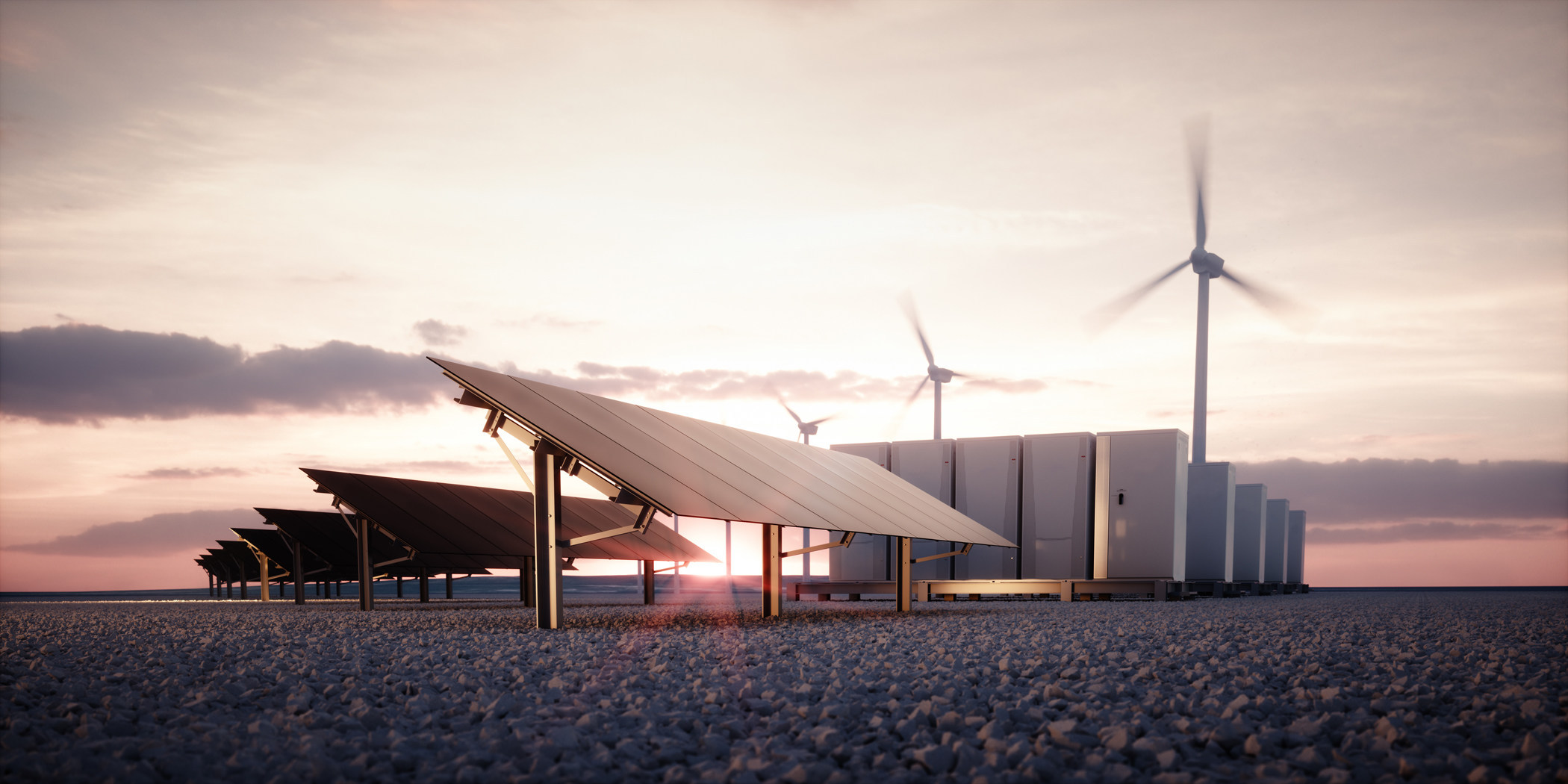
Nigeria and 13 other African countries will benefit from an $11.3 million renewable energy financing initiative approved by the African Development Bank (AfDB). The programme aims to expand electricity access to underserved and fragile communities across the continent.
The facility targets Peace Renewable Energy Certificate (P-REC) mini-grid projects and is expected to provide power to about 856,000 people in energy-poor regions. It also opens new funding channels for developers operating in high-risk markets.
Meanwhile, the fund combines a $5.65 million AfDB grant with a matching contribution from the Nordic Development Fund. Camco Clean Energy and Energy Peace Partners will jointly manage the financing, supporting mini-grid deployment in 14 frontier markets.
The P-REC mechanism allows small-scale renewable energy projects to generate certificates, which multinational corporations can purchase voluntarily to enhance their sustainability commitments. Developers receive upfront capital in exchange for future certificate rights, providing liquidity in markets where commercial financing is scarce.
The facility covers Nigeria, Burundi, Central African Republic, Chad, Democratic Republic of Congo, Ethiopia, Liberia, Mali, Niger, Sierra Leone, Somalia, South Sudan, Sudan, and Uganda. Analysts note that Nigeria stands to benefit significantly, as inadequate electricity continues to constrain economic growth and industrial productivity, especially in rural and off-grid areas.
The initiative provides non-dilutive, low-cost capital to accelerate mini-grid deployment and support broader electrification goals. AfDB officials highlighted that limited access to financing remains a major obstacle to achieving universal energy access in Africa, particularly in conflict-affected and fragile states.
The AfDB stressed that the P-REC Aggregation Facility forms part of broader efforts to scale up sustainable energy solutions across Africa, leveraging partnerships with development finance institutions, private investors, and climate-focused organisations to address the continent’s persistent energy deficit.