
Under Construction
LIST OF DEVELOPERS
NEWS
African Development Bank and Government of Rwanda launch $300 million energy sector Results-Based Financing II program co-financed with AIIB to accelerate universal energy access
CategoryPress Releases
CountryRwanda
TagsEnergy Access
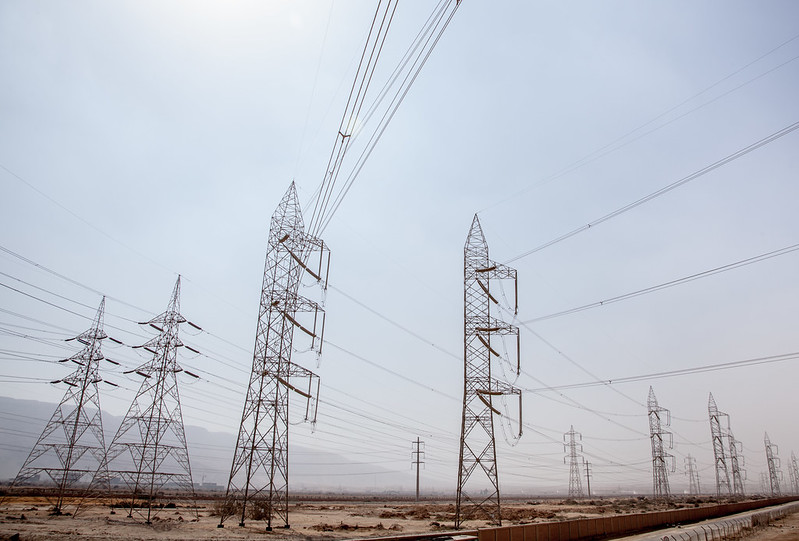
The African Development Bank Group, in partnership with the Asian Infrastructure Investment Bank (AIIB) and the Government of Rwanda, has launched the Energy Sector Results Based Financing Phase II (RBF II) Program, to drive achievement of universal access to reliable, clean, and affordable energy in the country.
With a total program cost of $300 million, phase two will be financed through a loan of $200 million from the African Development Bank and a $100 million loan from AIIB, reflecting strong multilateral collaboration to scale up impact in Rwanda’s energy sector. RBF II will be implemented by the Ministry of Infrastructure through the Rwanda Energy Group (REG), together with the Energy Development Corporation Limited (EDCL) and the Energy Utility Corporation
RBF II will build on the strong performance of phase one, which has significantly expanded energy access across the country, deploying off-grid solutions to reach at least 370,000 households. Additionally, 460,000 people gained access to clean cooking. In total, the project improved the lives of more than two million people and enhanced job creation across the energy value chain.
The performance-based financing approach links disbursements to independently verified results to strengthen electricity transmission and distribution networks, improve grid reliability, and expand on-grid and off-grid connections among other targets.
RBF II will support rehabilitation of four substations and construction of roughly 3,855 km of medium and low voltage transmission lines. It is projected to connect an additional 200,000 households and 850 commercial users to the national grid, add 50,000 new electricity connections through off-grid solutions, provide clean cooking devices to 100,000 households and 310 public institutions, and install street lighting on 200 km of roads in secondary cities across the country.
Increased electrification will lower the cost of doing business for small and medium-sized enterprises, enable productive energy use in rural areas, and improve reliability of essential services such as healthcare delivery – thereby driving inclusive economic growth and improved livelihoods.
To read more, click here.