
Under Construction
LIST OF DEVELOPERS
NEWS
Africa’s wind energy has potential to power the continent
CategoryPress Releases
TagsRegulatory and Governance, Renewable Energy, Rural Electrification
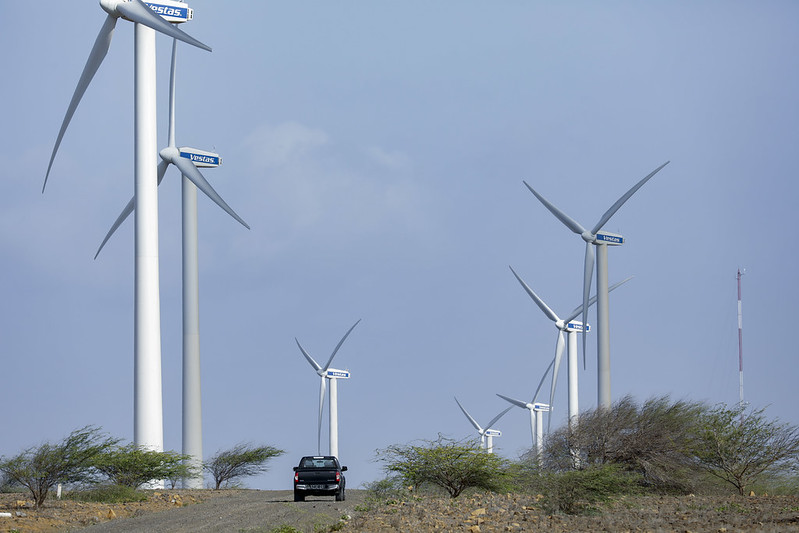
While the installed capacity of wind farms around Africa stood at 6.5MW in 2020, this represents only a tiny fraction of what is possible.
Citing a report from the International Finance Corporation, the Wind Energy: Joining Forces for An African Lift-Off policy brief concludes that just onshore, the potential in Africa is sufficient to satisfy the entire continent’s electricity demand 250 times over.
The Africa-EU Energy Partnership Policy Brief Wind Energy: Joining Forces for An African Lift-Off explores the main action areas that could unlock Africa’s enormous wind energy potential. It says that by working together Africa and Europe could leverage their existing partnership and secure the wind sector’s contribution to Agenda 2063 as well as Agenda 2030.
The Policy Brief summarises existing data on the status of wind in Africa as well as its potential. It concludes that to secure an enabling environment for wind energy development, Africa and Europe must focus on five core tasks which include creating bankable power purchase agreements, enhancing grid infrastructure and providing continued capacity development.
Wind energy is critical to the sustainable future of both Africa and Europe
Johan van den Berg, AEEP Secretariat, points out in the policy brief executive summary that energy shows immense opportunities for expansion in Africa, as a key driver of economic development. Energy is critical to both Africa and Europe’s sustainable future, he emphasized.
Competitive cost and resource availability will make wind and solar PV power anchors for future on-grid power as they increase their share of the power mix. “Africa needs to dramatically expand generation capacity to approach full access to sustainable energy services for its citizens and fully pursue its sustainable master plan as stipulated in the AU Agenda 2063,” writes van den Bergh.
Working together Europe could contribute technology, capital, know-how and skills training to Africa’s young workforce while taking advantage of the abundant land, variable wind regime and deep electricity demand. While enabling environment needs attention and effort, the rate and sophistication of technology deployment are already sufficiently advanced.
“If all of the global new wind power installations in 2020 had taken place in Africa, and if the grid would have been ready to receive and distribute it, this new annual capacity alone would have sufficed to close the energy access in Africa within twelve months for the more than 600 million people needing it. This shows the immense potential of wind power while simultaneously underling the importance of immediate action on other enabling building blocks, like transmission and distribution systems.
“Africa now has a total of 6.468MW of wind-based, installed capacity, but this figure only represents a fraction of the continent’s technical wind potential,” said van den Bergh.
A gap analysis highlights five areas that require intensive attention:
- Enabling regulators and bankable power purchase agreements;
- Bold action to fund and construct a much-enhanced grid;
- A vision of manageable, dynamic grid balancing;
- localisation roadmaps at regional African level;
- Capacity building.
Africa’s potential for offshore wind to be discussed at Enlit Africa
David Wotherspoon, head of new geographies for UK based OWC, has been investigated the potential for offshore wind energy across Africa and believes this sub-sector holds promise. Wotherspoon will explore the question of whether offshore wind could play an affordable role in South Africa’s energy transition and whether it can provide a path for power-to-x models that could provide other ‘green’ forms of energy carriers or uses at the Enlit Africa conference in June.
He specifically suggests taking an integrated look at the opportunities presented by an offshore renewable energy industry which provides a more balanced assessment of a national level development than simply focusing on immediate price. “Developers and financiers will look for a stable and planned investment environment – provide this and interest will arrive,” said Wotherspoon.
One of the biggest challenges facing creating an offshore wind sector in South Africa, and by extension developing the wind sector across Africa, is “attracting affordable finance for project developments is an issue in emerging market sectors.
“Getting the right balance of private and public sector commitments and balancing local and international supply chain requirements for the first projects is always subject to debate,” said Wotherspoon.
He believes in order for African countries to take advantage of the wind sector’s potential they need to take a long-term view for industrial development and push for the financing commitments made at COP26 to be met.
The Africa-EU Energy Partnership Policy Brief Wind Energy: Joining Forces for An African Lift-Off is available online.