
Under Construction
LIST OF DEVELOPERS
NEWS
Growing decentralized energy to boost electricity access in Africa
CategoryPress Releases
TagsFinance and Investment, Regulatory and Governance, Renewable Energy
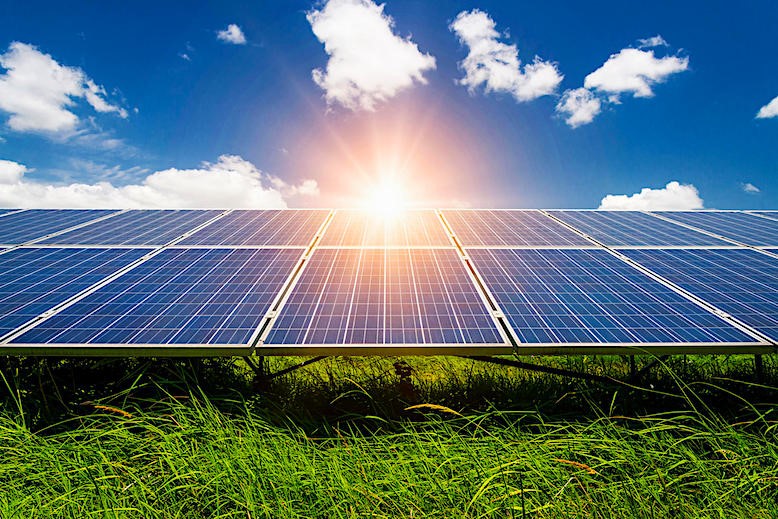
The African Development Bank will commit up to $164 million to promote decentralised renewable energy in Ghana, Guinea, Ethiopia, Kenya, Nigeria and Tunisia.
Through the Leveraging Energy Access Finance Framework (LEAF), the AfDB will start the programme with an $800million boost to spur commercial and local currency investment meant to scale up activities by decentralised renewable energy companies in the six countries.
Under the Framework, 18 decentralised renewable energy projects will be financed to provide access to around six million people and businesses. This should result in the equivalent of 28.8 million tonnes of CO2 being taken off the system over the lifetime of the projects.
The latest Sustainable Development Goal (SDG) 7 tracking report says close to 600 million people in Africa still don’t have access to electricity. The COVID-19 pandemic has shifted African countries’ spending priorities and the number of people without access to electricity has increased for the first time in recent years.
Thus, scaling up decentralised renewable energy through the use of solar home systems, green-minigrids and solar solutions of C&I use is gaining prominence in achieving SDG7 objectives. This does though require significant private sector and local currency financing.
Emphasis on local currency financing for decentralised energy projects in Africa is growing
The AfDB developed the LEAF programme in collaboration with the Green Climate Fund which last year approved $170,9 million concessional financing for the programme. The Framework forms part of the AfDB’s broader off-grid strategy under the New Deal on Energy for Africa and it complements existing initiatives such as the Sustainable Energy Fund for Africa.
Dr Kevin Kariuki, AfDB Vice President for Power, Energy, Climate Change and Green Growth said the AfDB’s partnership with the Green Climate Fund on the Framework would “not only accelerate access to electricity based on decentralized renewable energy solutions, hence reducing the respective countries’ carbon footprints, but will do so with the active participation of a private sector facilitated by local currency financing and commercial capital availed under the programme”.
Over the course of six years, the LEAF programme will deploy a mix of concessional finance, credit enhancement instruments and technical assistance to greatly increase the number of private sector investors, including local banks, to finance and accelerate efforts to electrify the continent.
Dr Daniel Schroth, AfDB acting director for the Renewable Energy and Energy Efficiency Department: “The approval of this programme is very timely as it increases the Bank’s toolbox to support the fast-moving decentralised energy access market which complements conventional grid-connected solutions.”