
Under Construction
LIST OF DEVELOPERS
NEWS
Namibia: Electricity Regulator Approves Revised Transmission Grid Code for Enhanced Power System
CategoryStories
TagsEnergy Access, Finance and Investment, Renewable Energy
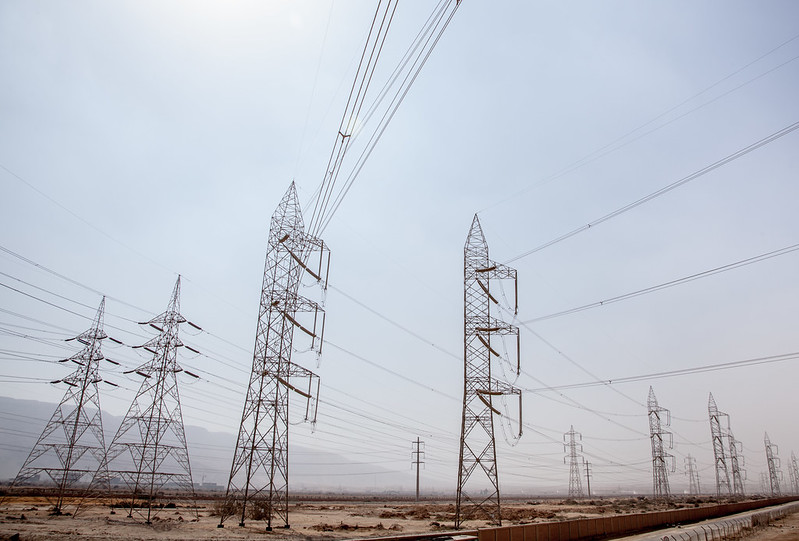
The Electricity Control Board (ECB)'s Chief Executive Officer, Robert Kahimise, announced on Tuesday several key resolutions made by the Board during its meeting held on 27 March.
A significant outcome of the meeting was the approval of the revised Transmission Grid Code (TGC). This crucial document establishes the rules and procedures governing the use of Namibia's power systems. The ECB emphasized that the updated TGC is designed to ensure that the power system can be planned and operated in a manner that prioritizes safety, reliability, efficiency, and economic viability.
The Transmission Grid Code plays a vital role in regulating the electricity supply industry, providing a framework for all stakeholders involved in the generation, transmission, and distribution of power.
The review, spearheaded by the Grid Code Advisory Committee (GCAC), includes changes such as removal of connection issues to the connection code, addition of a cybersecurity section, addition of a transmission system market code section, and emphasis on training of system controllers.
Similarly, the Board approved the revised Distribution Grid Code (DGC) with key changes including those of the TGC, as well as the addition of a distribution power system market code section and the addition of embedded generators and an energy storage users section.
The GCAC, in consultation with ESI stakeholders, also spearheaded the development of a new Connection Code, formulated during the review of the TGC, in order to align with international best practices and the SADC Regional Grid Code. This Code contains all connection issues from the TGC and DGC, as well as all sections of the draft Renewable Energy Grid Code.
Furthermore, the Board approved the Embedded Generation Standard (EGS). This legally binding and enforceable national standard serves as a guide to on-site generation and supply of electricity, by a generation plant connection to a distribution grid, particularly for personal use. Developed in consultation with ESI stakeholders, the standard includes technical interconnection, system sizing and selection, and safety of personnel equipment, amongst others.
To address safety concerns within the NORED license area of operation, the Board directed monthly meetings between the ECB management and NORED until the National Electricity Code has been fully implemented by NORED. The Board further directed ECB management to initiate ESI safety campaigns to educate the public and licensees on the dangers of electricity, in addition to individual safety campaigns by the licensees.
n line with the Modified Single Buyer Market Rules, the Board conducted an audit on the NamPower MSB office. The audit assessed compliance with the Market Rules and other regulatory requirements, effectiveness of the internal controls and risk management, efficiency of tools, systems, and data management, governance, and the progress status regarding the establishment of a distinct structure.
The Board also adopted the review report of the NamPower Transmission Asset Revaluation for the 2021/2022 financial period and subsequently approved to reduce the NamPower Transmission Assets revaluation value by 17.5%.
Finally, the Board approved the Wheeling Framework to ensure effective administration of bilateral transactions between eligible sellers and contestable customers under the MSB market and approved the revised Wheeling Framework to ensure consistency between the Agreements and the Framework.