
Under Construction
LIST OF DEVELOPERS
NEWS
Nigeria’s Oil, Gas Gains Fall Short in 2025
CategoryStories
CountryNigeria
TagsEnergy Access
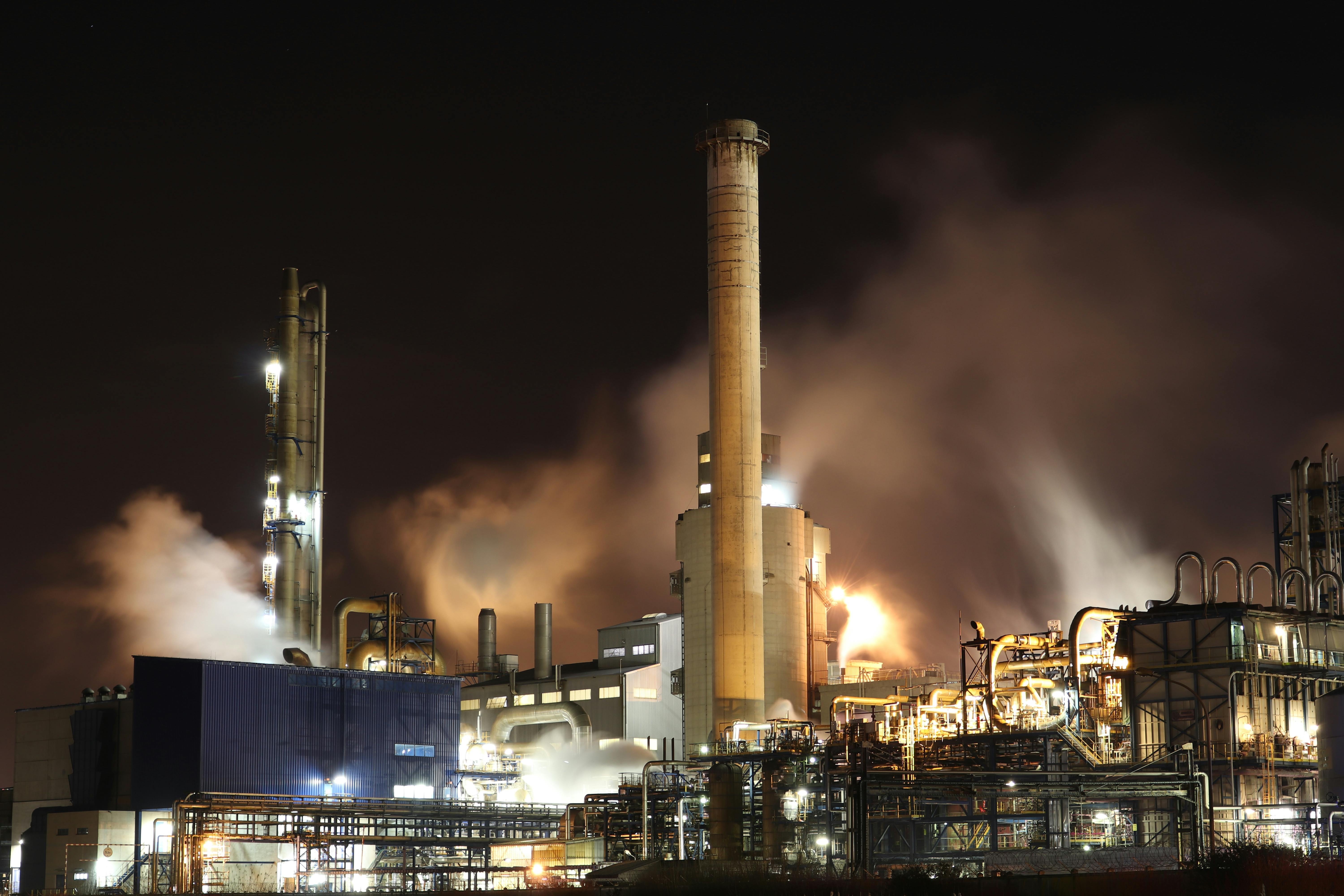
Nigeria’s oil and gas performance in 2025 delivered mixed outcomes across the upstream, midstream, and downstream segments. While several activity indicators improved, production targets remained unmet and structural challenges persisted. Therefore, the sector recorded progress in investment interest but continued to struggle with output efficiency and policy alignment. Consequently, industry stakeholders raised concerns about sustainability and long-term competitiveness.
Upstream activity showed measurable improvement during the year. The rig count, which tracks exploration momentum, increased by 63 per cent year-over-year. Specifically, Nigeria recorded 18 active rigs in November 2025, compared with 11 during the same period in 2024. However, activity plateaued as the rig count remained unchanged between October and November. Meanwhile, the Nigerian Upstream Petroleum Regulatory Commission reported a higher figure of 40 active rigs, creating data inconsistencies that complicated performance assessment.
Despite increased exploration activity, crude oil output remained below expectations. Nigeria produced an average of 1.5 million barrels per day in 2025, including condensate. In October, output increased marginally to 1.597 million barrels per day. However, this level still fell short of the 2.06 million barrels per day budget target. Furthermore, OPEC data showed that Nigeria missed its 1.5 million barrels per day production quota for most of the year. As a result, Nigeria’s oil and gas performance in 2025 fell short of both domestic and international benchmarks.
Nevertheless, investor expectations improved following key regulatory actions. The Nigerian Upstream Petroleum Regulatory Commission launched the 2025 Oil Licensing Round on December 1. The process followed the framework of the Petroleum Industry Act, which aims to strengthen legal certainty and attract new investment. Consequently, stakeholders expect renewed exploration activity and broader economic spillovers.
Gas production recorded notable gains during the year. Output rose to 6,997 million standard cubic feet per day in October, up from 6,284 million standard cubic feet per day in September. This increase supported power generation, industrial consumption, and export supply. However, gas flaring worsened, offsetting these gains. Flaring increased by ten per cent month on month in September and rose by seven per cent year on year. As a result, Nigeria wasted gas valued at about $451 million, enough to power several small-scale plants.
To read more, click here.