
Under Construction
LIST OF DEVELOPERS
NEWS
Norfund Invests in Waste-to-Value in South Africa and Mauritius
CategoryPress Releases
CountryMauritius
TagsFinance and Investment
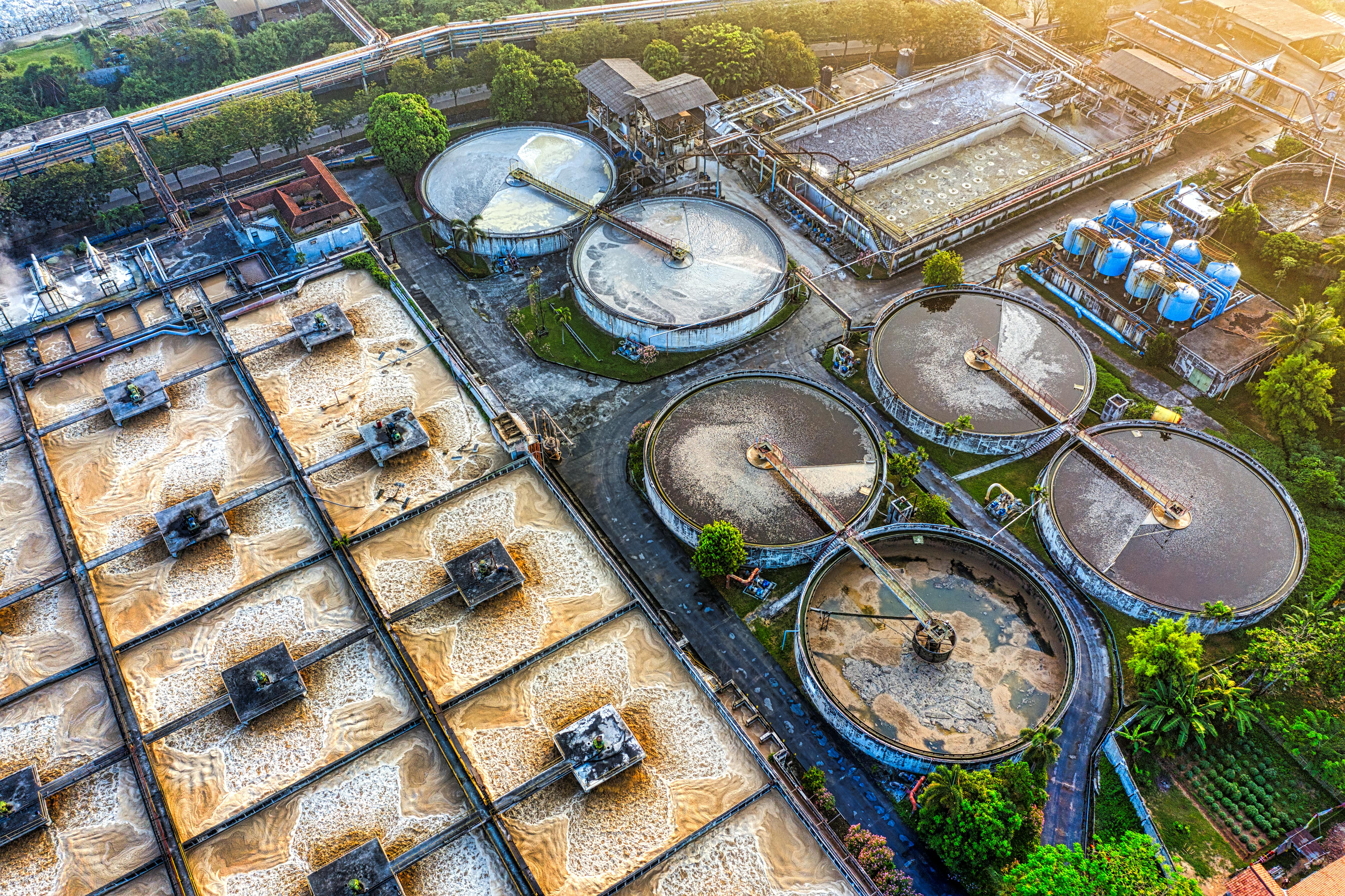
Norfund is investing in Green Create, a waste-to-value group with operations in Mauritius and South Africa. The investment is made in partnership with the South African fund Infra Impact, which Norfund committed USD 8.5 million (150 M ZAR) to in 2023.
The Green Create facilities treat both millions of liters of effluent wastewater as well as processes thousands of tonnes of agricultural waste each year. The company’s operations reduce the load on the downstream municipal water treatment infrastructure as well as landfilling and generate biogas that can replace fossil fuels in industrial processes. In South Africa coal still dominates the energy mix, and biogas is a renewable energy source.
“We are thrilled to reach this significant milestone in partnering with Infra Impact and Norfund, with their strategic acquisition into our Green Create Southern African business. While this is a moment of celebration, it also signals the beginning of a promising new chapter. The partnership brings to us not only new resources and expertise but a shared vision to innovate and create greater value for our current and prospective customers which will include the expansion and optimization of some of our existing facilities, the development of various new opportunities and the further roll out of our operations and maintenance division,” Says Byron Norval, COO of Green Create.
The waste-to-energy sector is recognized as an eligible climate finance activity, and in particular climate change mitigation. Southern Africa currently faces the largest climate finance funding gap, with only 18% of mitigation needs and 20% of adaptation needs currently being met, according to a recent report from the Climate Policy Initiative.
The outputs from Green Cerate’s operations yield circular by-products—such as organic fertilizers, ammonium sulphate, and clean water that are reintegrated into agricultural and industrial systems, replacing synthetic inputs, thus contributing to circular economy principles by extending material lifecycles and minimizing waste.