
Under Construction
LIST OF DEVELOPERS
NEWS
Zambia Launches 312 MW Decentralized Solar Initiative With 156 Constituency Power Plants
CategoryStories
TagsRenewable Energy
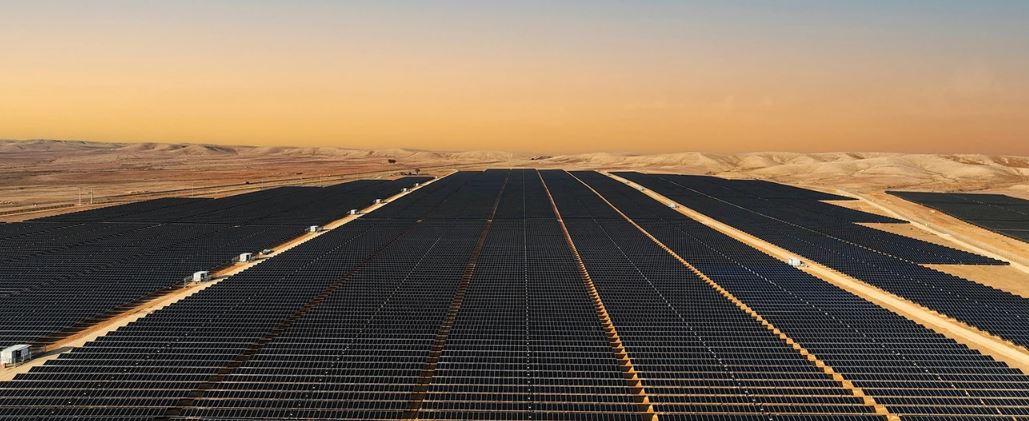
Zambia has launched a major renewable energy program with the introduction of the Presidential Constituency Energy Initiative (PCEI), marking a significant step toward improving electricity access and strengthening the country’s power sector. Under the initiative, the government has signed contracts to develop 156 solar power plants across all constituencies in the country. Each plant will have a capacity of 2 megawatts, bringing the total planned solar generation capacity to 312 megawatts.
The project represents an investment of $235.5 million and is expected to play an important role in addressing Zambia’s ongoing electricity shortages. By increasing the supply of clean and reliable power, the initiative aims to improve energy access for both rural and urban communities. The government expects the project to reduce power deficits, support economic development, and enhance energy security across the country.
In addition to increasing electricity generation, the initiative is expected to create significant employment opportunities. Around 15,600 jobs are anticipated during the construction and implementation phase, providing a boost to local economies. The government has set an ambitious timeline, with all 156 solar plants scheduled for completion within 12 months.
A key feature of the project is its decentralized approach to power generation. Instead of building a few large solar parks, the government has chosen to establish smaller solar plants in every constituency. This distributed generation model allows electricity to be produced closer to where it is consumed, reducing transmission losses and improving the reliability of local power supply. The approach is also expected to encourage community-level economic growth by ensuring that more regions directly benefit from renewable energy investments.
Through this large-scale investment in distributed solar energy, Zambia is strengthening its commitment to expanding renewable energy, improving electricity access, creating jobs, and supporting Africa’s broader transition toward a cleaner and more sustainable energy future.