
Under Construction
LIST OF DEVELOPERS
NEWS
Eswatini Accelerates Solar And Biomass Projects To Achieve Energy Independence
CategoryStories
TagsRenewable Energy
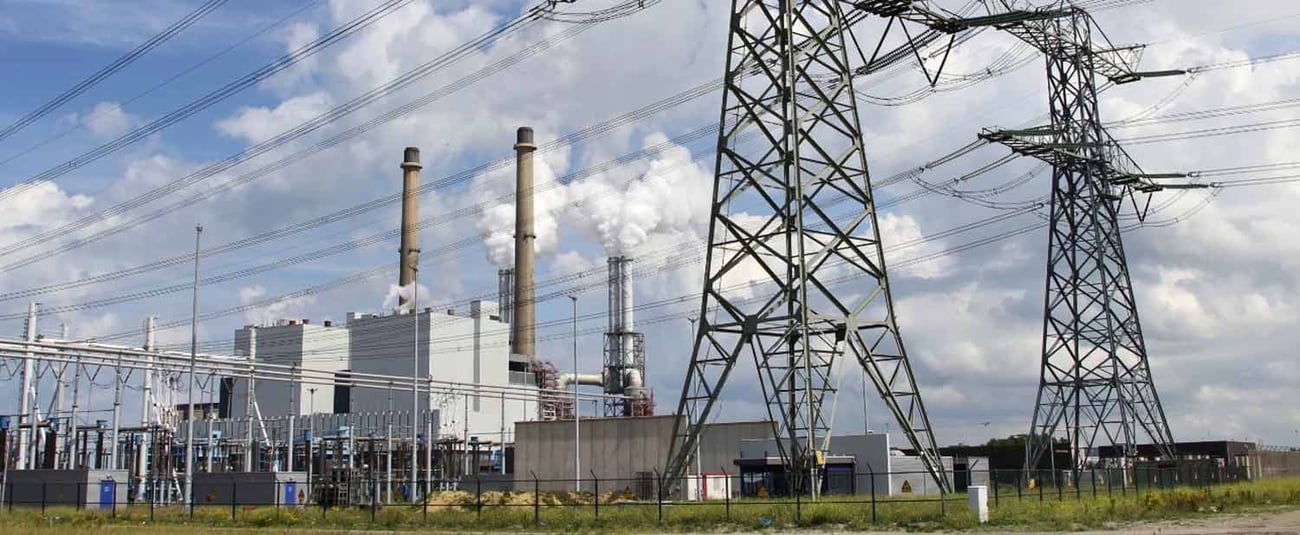
Eswatini is taking major steps to secure its energy future by reducing its dependence on electricity imports and developing its own power projects. For many years, the country has relied on South Africa’s Eskom for more than 80 percent of its electricity. However, with Eskom facing supply challenges and a key power purchase agreement ending in 2025, the Eswatini government is focusing on achieving energy independence. The latest national energy plan highlights three main areas of development: utility-scale solar, biomass, and coal-based generation.
A major part of this transition is the Tsamela Solar Project, which is the first large solar power plant in the country. It is being developed by Enel Green Power and will generate 75 megawatts of electricity. Located in the Shiselweni region, this project alone is expected to meet about 10 percent of Eswatini’s annual electricity needs. It marks a big step forward from the smaller 10 MW solar plant recently completed in Lavumisa. These developments show that the country is now serious about using solar energy as a reliable and long-term solution.
Along with solar, Eswatini is also investing in biomass power. The government has launched bidding for 80 MW of biomass capacity. This type of energy uses woodchips and sugarcane waste from local industries. Because these materials are available throughout the year, biomass can produce power continuously, unlike solar, which depends on daylight. This makes biomass a strong option for providing steady electricity, especially during the night or on cloudy days. It also supports local agriculture and creates new business opportunities for farmers and processing units.
At the same time, Eswatini is planning to build the Lubhuku Power Station, a 300 MW coal-fired plant. Supporters say that using local coal will ensure reliable power and create up to 1,000 jobs. They argue that coal will help stabilize the electricity supply during the country’s transition to renewable energy. However, energy experts warn that this plan may lead to long-term financial risks. As the world shifts away from coal, such a large project could become a stranded asset. There are also concerns about carbon taxes on exports and the environmental impact of burning coal.