
Under Construction
LIST OF DEVELOPERS
NEWS
Sudan Advances Solar Mini-Grids To Expand Clean Energy Access In Rural Areas
CategoryStories
CountrySudan
TagsRenewable Energy
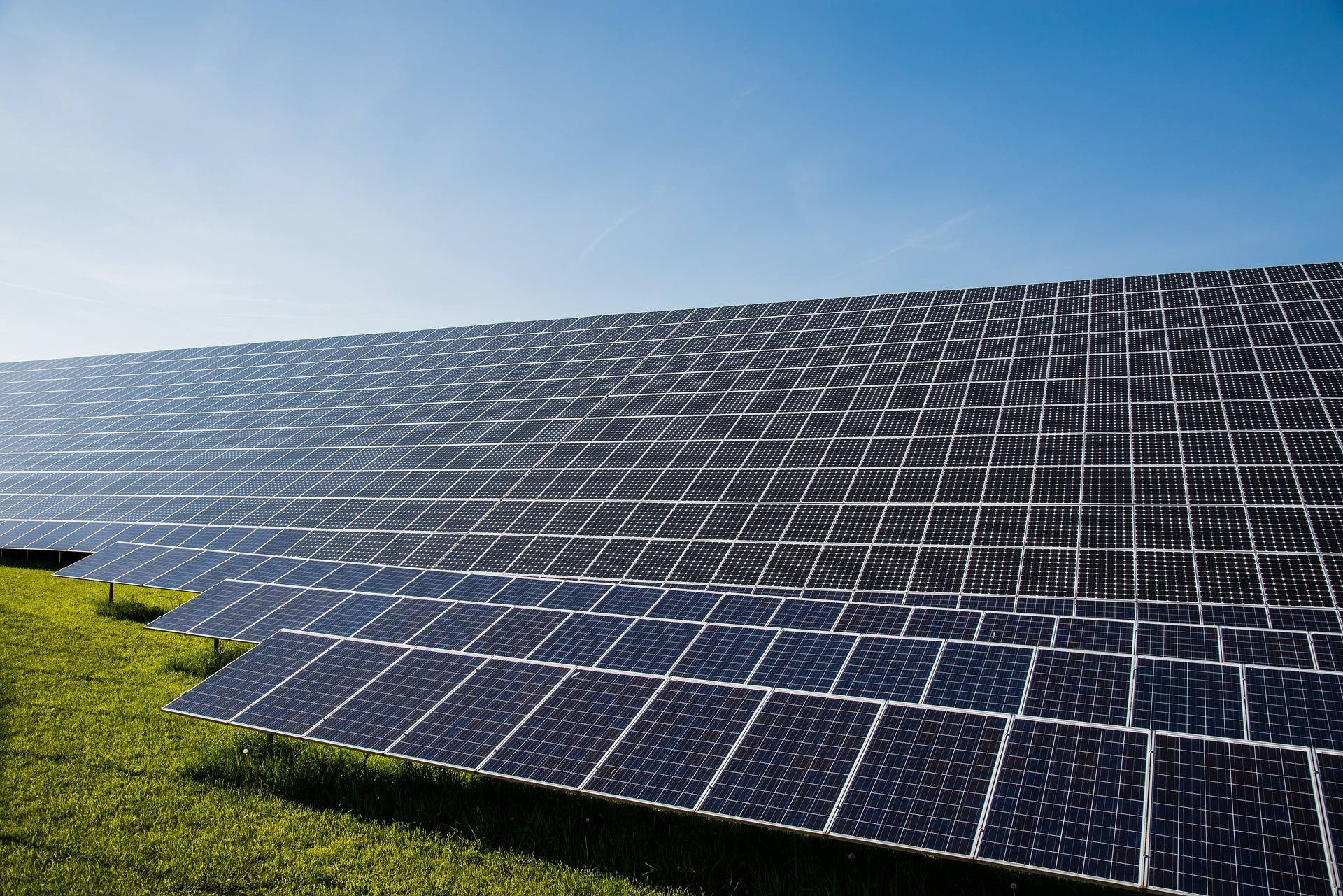
Sudan is taking steps to promote solar mini-grids as a clean and reliable energy solution for its underserved communities. Access to electricity in the country remains among the lowest in the region. Millions of households, social institutions, and small businesses depend on diesel generators, which are expensive, polluting, and often unreliable due to fuel shortages and rising prices. Nearly one-third of the population still has no access to electricity, especially in rural and peri-urban areas.
Although Sudan has strong potential for solar power, the off-grid energy market remains underdeveloped. In some communities, informal diesel-based mini-grids are operating, but they are costly to maintain and largely unregulated. The absence of a clear regulatory framework for renewable energy mini-grids has limited private sector investment and slowed innovation in the sector.
To address these challenges, a new project funded by the Global Environment Facility (GEF) and the United Nations Development Programme (UNDP) is being implemented by Sudan’s Ministry of Energy and Petroleum. Running from 2022 to 2026 with a total budget of about US$2.9 million, the project targets selected off-grid and underserved rural areas across the country.
The initiative aims to transform Sudan’s energy sector by expanding access to clean, reliable, and affordable electricity. A key focus is improving the financial viability of mini-grids and encouraging private sector participation. The project is working on creating simplified registration and regulatory systems for low-voltage mini-grids. This is expected to reduce entry barriers for investors and operators while maintaining consumer protection and service quality.
The project is expected to directly benefit around 144,000 people. It will provide reliable electricity to homes, schools, health centers, and local businesses, support livelihoods, and reduce greenhouse gas emissions by lowering diesel consumption. Through policy reforms, technical capacity building, and pilot projects, Sudan is laying the groundwork for a more sustainable and inclusive energy future.