
Under Construction
LIST OF DEVELOPERS
NEWS
Zimbabwe Nears Financial Close For First Phase Of 600 MW Kariba Floating Solar Project
CategoryStories
CountryZimbabwe
TagsRenewable Energy
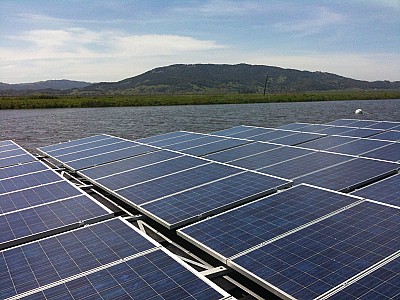
Zimbabwe is moving closer to a cleaner and more reliable energy future as the first phase of the 600 MW Kariba Floating Solar Project approaches financial closure. The announcement was made by Energy and Power Development Minister July Moyo during the Southern Africa Eco-Infrastructure Summit held in Victoria Falls. The project marks an important step in Zimbabwe’s efforts to diversify its energy sources and improve long-term electricity security while reducing the impact of climate change on the country’s power sector.
The Kariba Floating Solar Project will use floating solar panels installed on the surface of Lake Kariba, making it one of the region’s most innovative renewable energy developments. The project is designed to work alongside the existing Kariba hydropower station rather than replace it. By combining solar generation with hydropower, Zimbabwe aims to create a more balanced and dependable electricity supply for households, businesses, and industries.
Zimbabwe has faced serious power shortages in recent years as prolonged droughts and changing rainfall patterns have reduced water levels in Lake Kariba. Lower water availability has significantly affected hydroelectric generation, leading to frequent electricity shortages. The floating solar project is expected to reduce the country’s dependence on hydropower alone and improve the stability of the national electricity grid.
The first phase of the project is being developed by Green Hybrid Power, a special-purpose company supported by the Intensive Energy Users Group. The group includes several of Zimbabwe’s largest mining companies and industrial electricity consumers, reflecting strong private-sector participation in the country’s renewable energy transition.
Preparatory work for the project received support through a $4.4 million facility provided by Afreximbank. The project developers are now working to finalize a $400 million investment package, with financial closure expected later this year. The first phase is planned to deliver between 150 MW and 500 MW of electricity generation as development progresses in stages.
To read more, click here.