
Mission 300: Accelerating Africa’s Path to Universal Energy Access
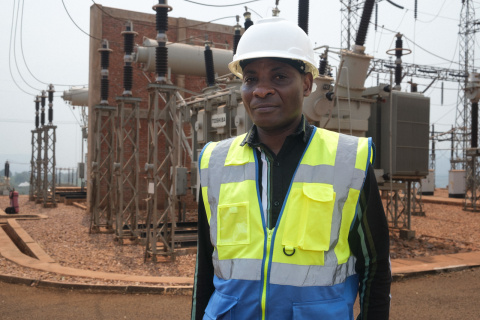
In 2024, the World Bank and the African Development Bank, in collaboration with governments across Africa, private sector leaders, and development partners, launched Mission 300, an ambitious initiative to accelerate universal energy access and halve Africa’s electricity access deficit by connecting 300 million people by 2030.
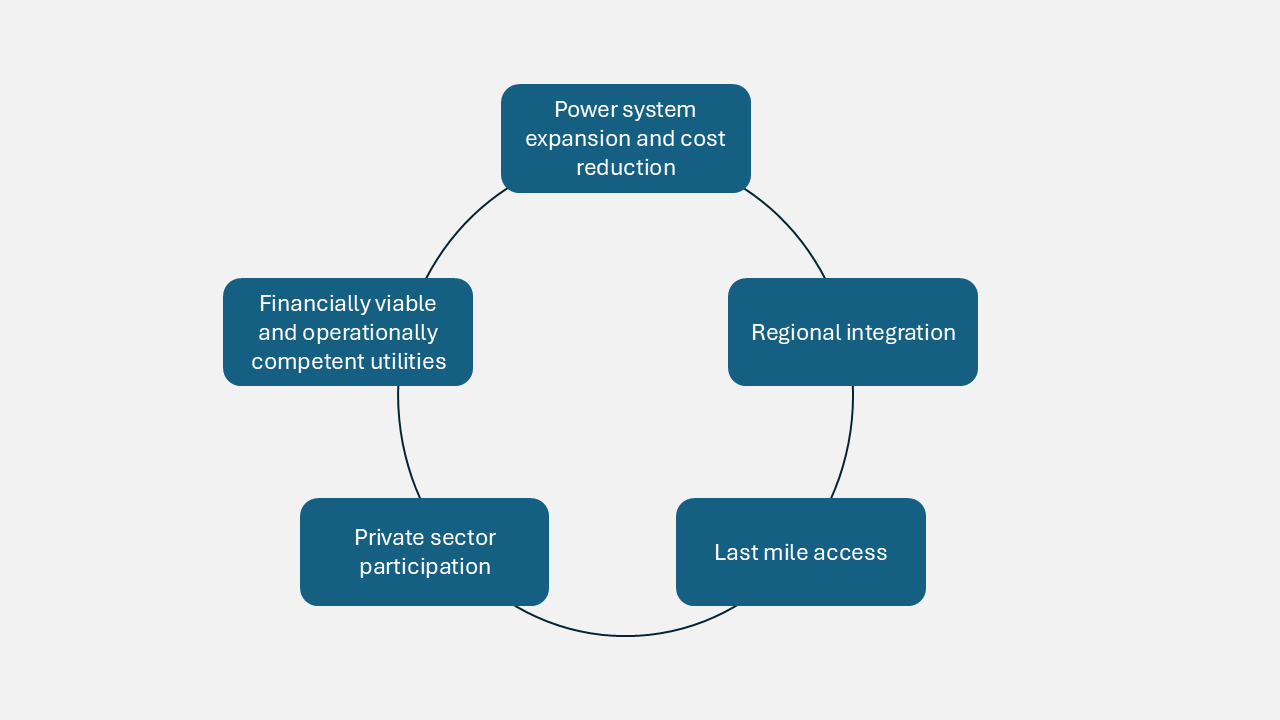
For the first time, participating countries are aligning around a common policy direction, rooted in five pillars (see figure 1 below), which will be translated into implementation through National Energy Compacts, reform delivery support, and catalytic financing platforms.
Figure 1: 5 Strategic Pillars of M300
Under this initiative, the African Development Bank (AfDB) will provide electricity access to 50 million people by 2030, complementing the World Bank Group’s support for 250 million people.
Mission 300 represents a shared commitment to lift millions out of energy poverty, mobilize over USD 238 billion in public and private investment[1], and accelerate progress towards Sustainable Development Goal 7: affordable, reliable, sustainable, and modern energy for all.
The Strategic Imperative for Mission 300
In 2023, 565 million Africans remained without electricity, accounting for more than four-fifths of the global population still lacking access[2]. At current rates of expansion, 645 million Africans could still be without electricity by 2030, far off the universal access target[3]. Mission 300 is designed to change this trajectory by providing 300 million people with electricity by 2030 across Africa. Roughly half of the people are expected to be served through distributed renewable energy (DRE) and other off-grid solutions, which can deliver electricity faster and at lower cost in dispersed areas where extending transmission and distribution networks is slow or financially not viable.
Table 1: Electricity Access Gap Scenarios
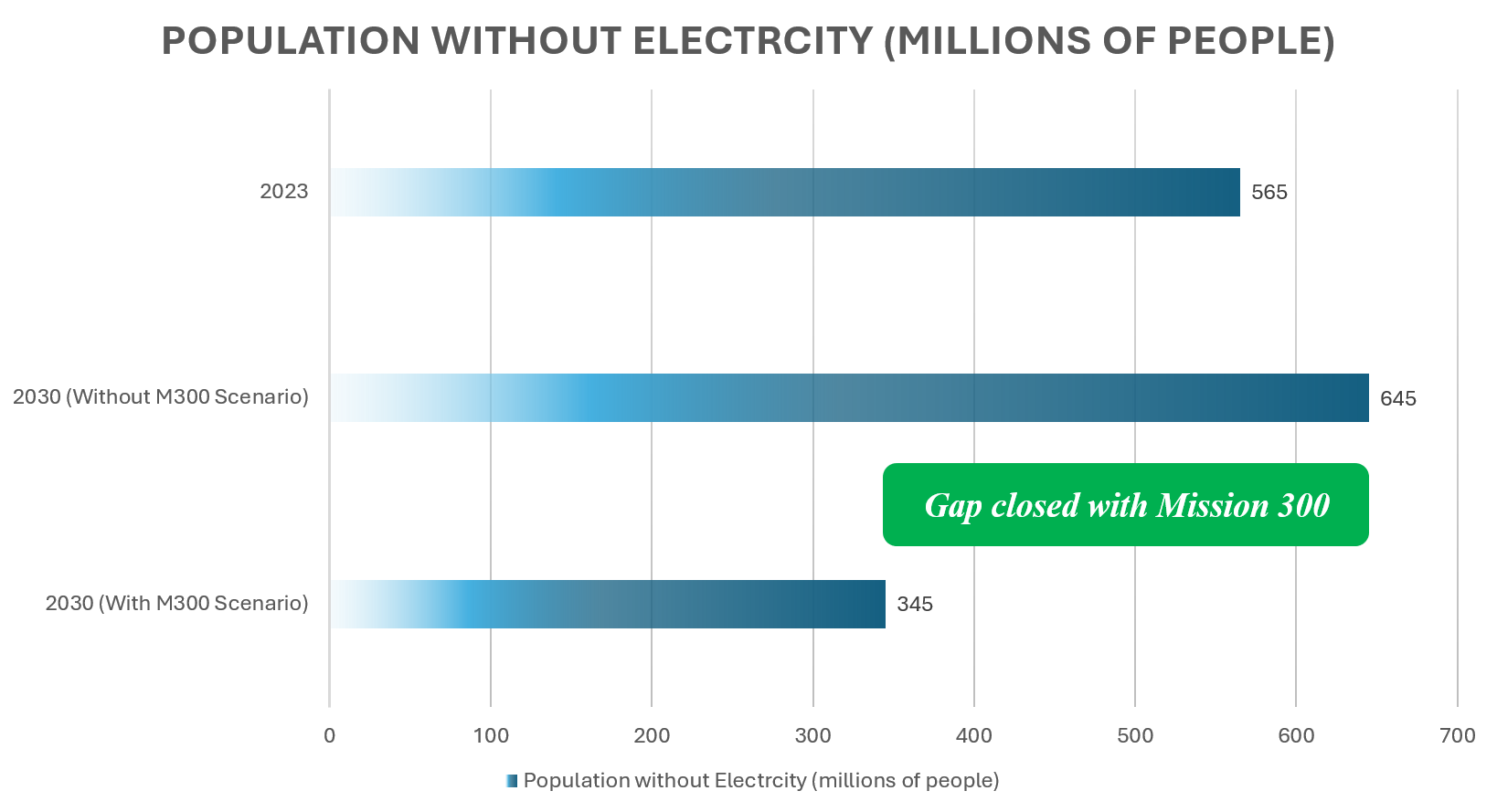
Table 1 illustrates the access-gap trajectory under current trends versus an illustrative Mission 300 pathway. The central question now is not whether access is needed, but how quickly delivery and financing can scale on a least-cost basis.
The challenge further extends to clean cooking. Only about 20% of Africans have access to clean cooking fuels and technologies, compared with a global average of 74%[4]. This energy poverty drives health crises, environmental degradation, and gender inequality. This is why Mission 300 treats clean cooking as a parallel access pathway. It will reduce health burdens and fuelwood pressure while complementing electrification efforts.
Beyond connections, Compacts signal a massive expansion in supply: collectively, they aspire to roughly double the installed capacity, from ~56 GW to ~108 GW across participating countries. On an illustrative per-capita basis, this is an increase from ~38 watts per person today to ~63 watts per person[5].
Africa’s average electricity consumption remains at a modest 40 watts per capita[6] and modern renewable sources (solar, wind, hydro, and geothermal) still represents just 12% total energy use. Yet, innovation is reshaping the landscape. Decentralized technologies such as mini-grids and standalone solar systems are proving resilient and cost-effective, particularly in areas where extending the grid is too expensive or slow.
“Reliable, affordable power is the fastest multiplier for small and medium enterprises, agro-processing, digital work, and industrial value-addition. Give a young entrepreneur power, and you’ve given them a paycheck.” – AfDB President Dr. Sidi Ould Tah during the 2025 UN General Assembly
A Powerful Partnership
Mission 300’s strength lies in its collaborative approach. Its success depends on coordinated action by multilateral institutions, African governments, and the private sector, supported by global partners such as SEforALL, SEFA, ESMAP, the Rockefeller Foundation, and the Global Energy Alliance for People and Planet (GEAPP).
A cornerstone of this cooperation is the Dar es Salaam Declaration, endorsed by 48 African Heads of State in January 2025[7]. It commits governments to reform their energy sectors to become more efficient, transparent, and bankable, setting out principles for expanding generation, boosting regional integration, and scaling up decentralized renewables and clean cooking.
What sets Mission 300 apart from past efforts is its unified, continent-wide framework led jointly by the African Development Bank and the World Bank, combining political commitment, large-scale financing, and private-sector participation under one results-driven platform. Its key success factors will include sustained political will, regulatory reform, robust monitoring through Compact Delivery and Monitoring Units (CDMUs), which are planned to be established with AfDB’s assistance under the Africa Energy Sector Technical Assistance Program (AESTAP), and the capacity to mobilize partnerships that deliver tangible, inclusive results on the ground.
AESTAP is AfDB’s flagship technical assistance platform supporting upstream power-sector reforms under Mission 300, including the establishment of CDMUs to coordinate delivery and track progress. These CDMUs will be operationalized with support of all major partners, which in practical terms means AfDB working with the World Bank Group, the Rockefeller Foundation, and GEAPP to mobilize the capacity and expertise needed for effective staffing and implementation.
Concrete AfDB operations already illustrate efforts to advance Mission 300 targets : the AfDB and SEFA have committed $40 million equity investment to launch the Zafiri Fund, a patient-capital platform for distributed renewable energy companies[8]; in Côte d’Ivoire, the Electricity For All Programme (Programme Electricité Pour Tous- PEPT) is scaling last-mile grid connections for low-income households through innovative securitizations and social bonds[9], including AfDB’s XOF 15 billion investment in Côte d’Ivoire’s PEPT 2 social bond which is expected to finance 400,000 new connections and provide electricity access to 2.2 million people[10].
In addition, through AESTAP, the AfDB is already supporting regulatory and institutional reforms across Mission 300 countries under ongoing programs, including AESTAP Multinational and AESTAP Nigeria. This assistance is advancing Compact-aligned reforms in multiple countries, for example, in Lesotho, where AESTAP is supporting the delivery of 10 of 12 Compact reform actions, as well as in Nigeria and other participating countries. A new AESTAP program under preparation will further support the operationalization of Compact Monitoring and Delivery Units and reform delivery across Cohort 1 and Cohort 2 countries[11].
From Vision to Action: National Energy Compacts
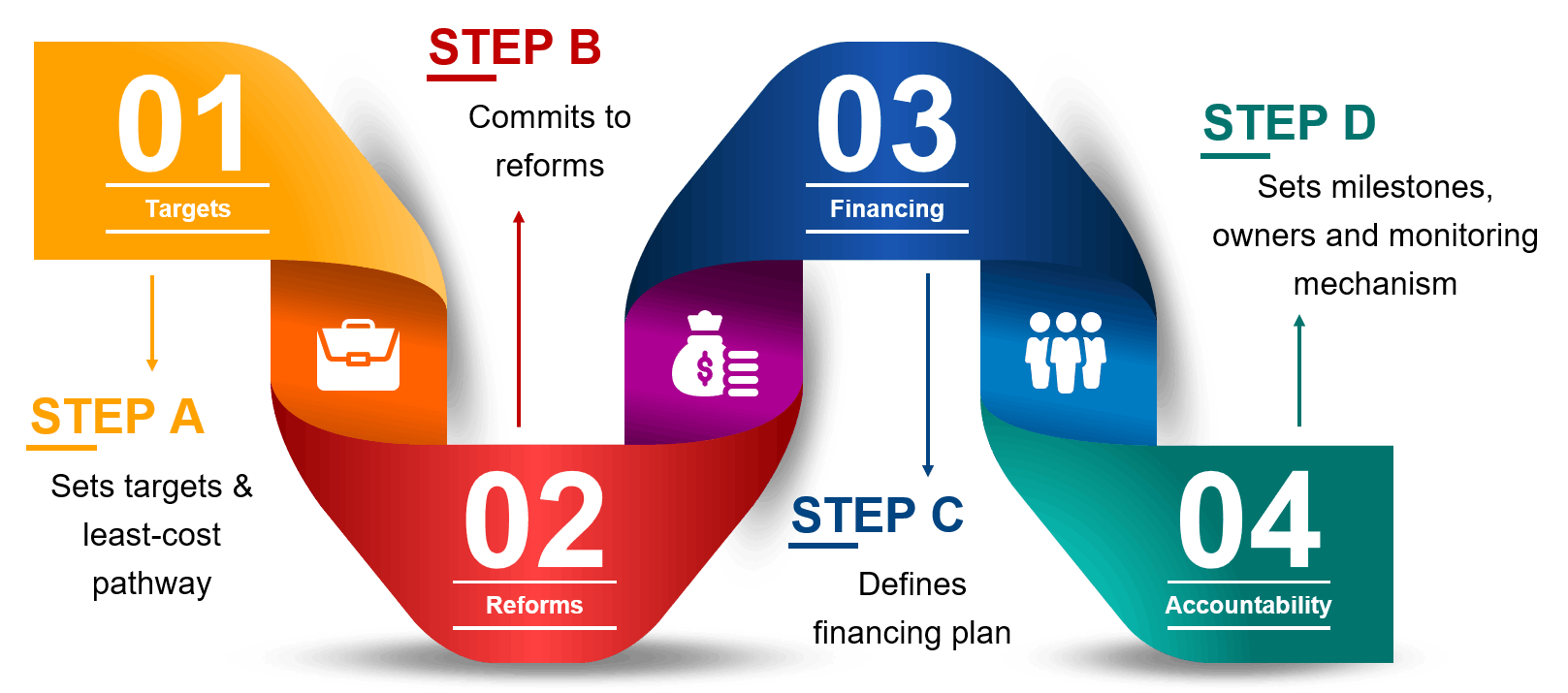
To operationalize the Declaration, countries are developing National Energy Compacts, i.e., detailed, government-led plans that identify specific policy measures, constraints, and timelines. In practice, each Compact links priority reforms (policy, regulation, utility performance), an investable pipeline across generation, networks, DRE and clean cooking, and an accountability mechanism for tracking progress and resolving bottlenecks.
Figure 2: What a National Energy Compact does (in practice)
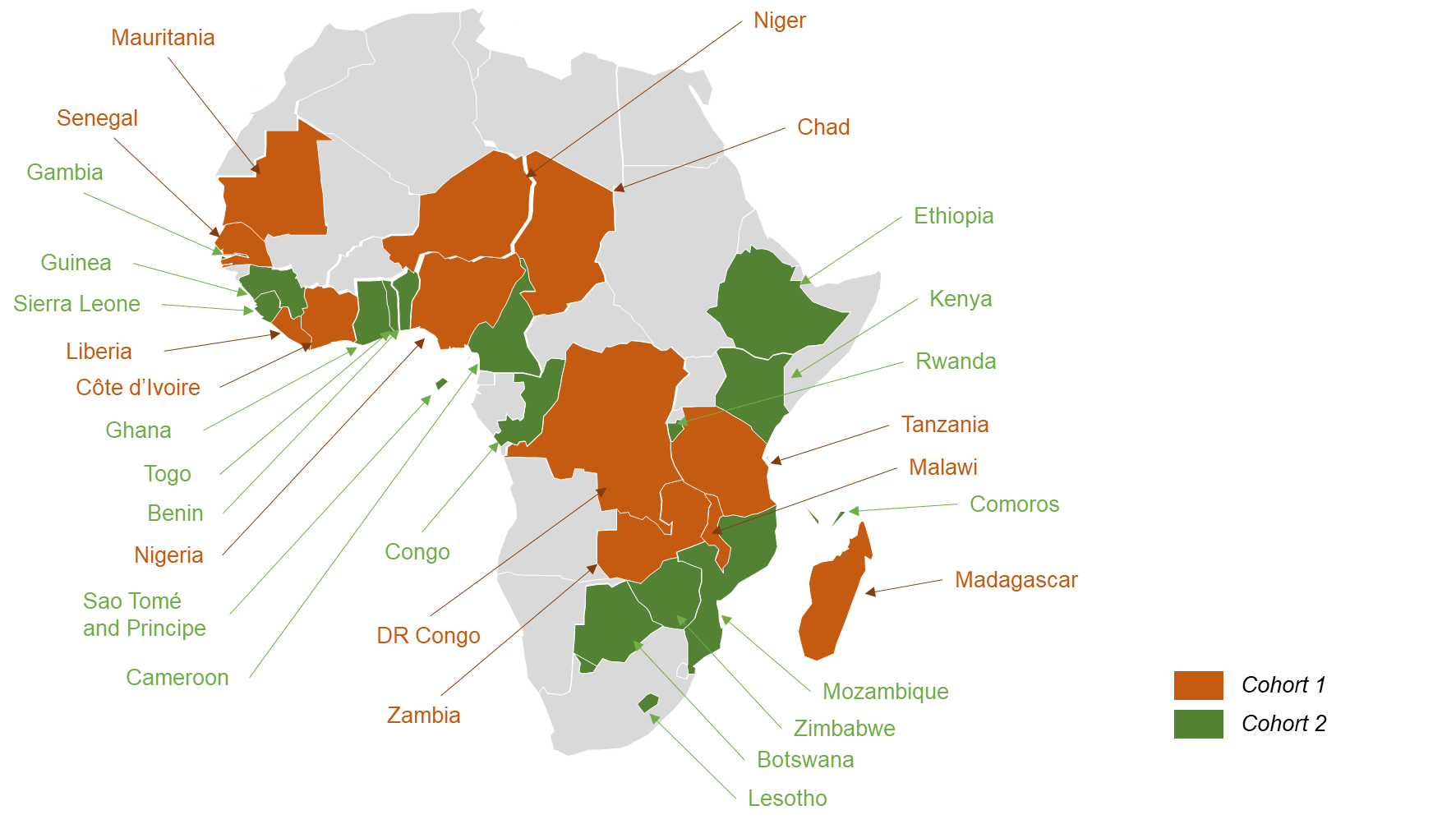
At the first Mission 300 Africa Energy Summit held in January 2025, 12 countries (Nigeria, DR Congo, Tanzania, Liberia, Niger, Madagascar, Chad, Malawi, Zambia, Côte d’Ivoire, Senegal, and Mauritania) presented their Compacts, representing half of the global population without electricity. A second cohort of 17 countries (including Ethiopia, Ghana, Kenya, Mozambique, Sierra Leone, and others) presented theirs during the 2025 Bloomberg Philanthropies Global Forum. Together, these Compacts are designed to strengthen bankability and crowd in private capital by creating a clearer line-of-sight from reforms to transactions and results.
Figure 3: Countries that have signed National Energy Compacts
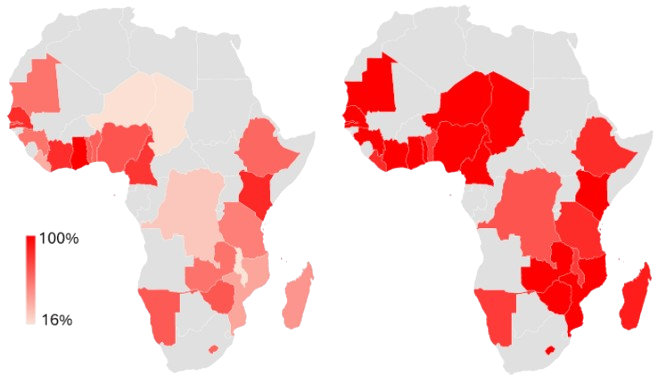
The current average electricity access rate across Mission 300 participating countries is approximately 53%[12]. With the successful implementation of the initiative, this is expected to rise to over 90%, with around 17 countries targeting universal electricity access[13]. The heatmap below shows current population-based electricity access levels across Mission 300 countries and provides a snapshot of the programme’s potential overall impact.
Figure 4: Electricity Access Heat Map - Before and After M300
“This National Compact is our shared pledge to ensure accessible, reliable, and affordable energy as a basic human need. It will transform our economy and create jobs, electrifying our journey to an inclusive high-income country.” – Duma Boko, President of Botswana during the 2025 UN General Assembly
Looking Ahead
Mission 300 is designed to put Africa on a faster, more credible trajectory toward universal energy access by 2030 by pairing time-bound reforms with investable pipelines across generation, networks, distributed renewables, and clean cooking. For governments, the priority is to sustain reforms and transparency to attract private investment. For investors, the Compacts represent ready-to-finance pipelines across generation, off-grid, and clean cooking sectors. For development partners, alignment and coordination through Mission 300’s platform remains essential to avoid duplication and maximize impact.
“In addition to abundant sunlight and hydro potential, the Republic of Congo’s Energy Compact will enable the country to supply industries, export surplus energy, and power one-third of Africa’s electricity needs. Investors are invited, within Mission 300, to engage in profitable and sustainable business.” – Denis Sassou Nguesso, President of the DRC during the 2025 UN General Assembly
As 2030 approaches, Mission 300 stands as a continental compact of action, demonstrating that collective ambition, financing innovation, and political will can finally deliver energy for all.
---
Photo credit: Mission 300
[1] Source: AfDB’s internal information.
[2] IEA, IRENA, UNSD, World Bank, WHO. 2025. Tracking SDG 7: The Energy Progress Report. World Bank, Washington DC. © World Bank. License: Creative Commons Attribution—NonCommercial 3.0 IGO (CC BY-NC 3.0 IGO).
[3] IDEM.
[4] IDEM.
[5] Aninver’s analysis based on the data provided in African Energy Newsletter’s Article Titled “Mission 300 could reform Africa’s power sectors.” https://www.africa-energy.com/news-centre/article/mission-300-could-reform-africas-power-sectors
[6] IDEM.
[7] African Development Bank. (2025). African Union Summit: African Development Bank President Highlights a Decade of Economic Transformational Impact. https://www.afdb.org/en/news-and-events/press-releases/african-union-summit-african-development-bank-president-highlights-decade-economic-transformational-impact-81019
[8] African Development Bank Group. 2025. AfDB and SEFA provide $40 million investment in equity platform Zafiri to accelerate renewable energy access across Africa.
[9] African Development Bank Group. MapAfrica. Côte d’Ivoire – Electricity for all Project (PEPT)
[10] AfDB Invests Xof 15 Bln in Côte D’ivoire Social Bond to Expand Electricity Access. 2025. https://thehighstreetjournal.com/afdb-invests-xof-15-bln-in-cote-divoire-social-bond-to-expand-electricity-access/
[11] African Development Bank Group. 2024. Multinational Africa Energy Sector Technical Assistance Program I (Multinational AESTAP I). Project Appraisal Report.
[12] Aninver’s analysis based on the data provided in African Energy Newsletter’s Article Titled “Mission 300 could reform Africa’s power sectors.” https://www.africa-energy.com/news-centre/article/mission-300-could-reform-africas-power-sectors
[13] IDEM.
Add New Comment